
A Deep Dive into the Geopolitics and Logistics of the “Mustafizur Row”
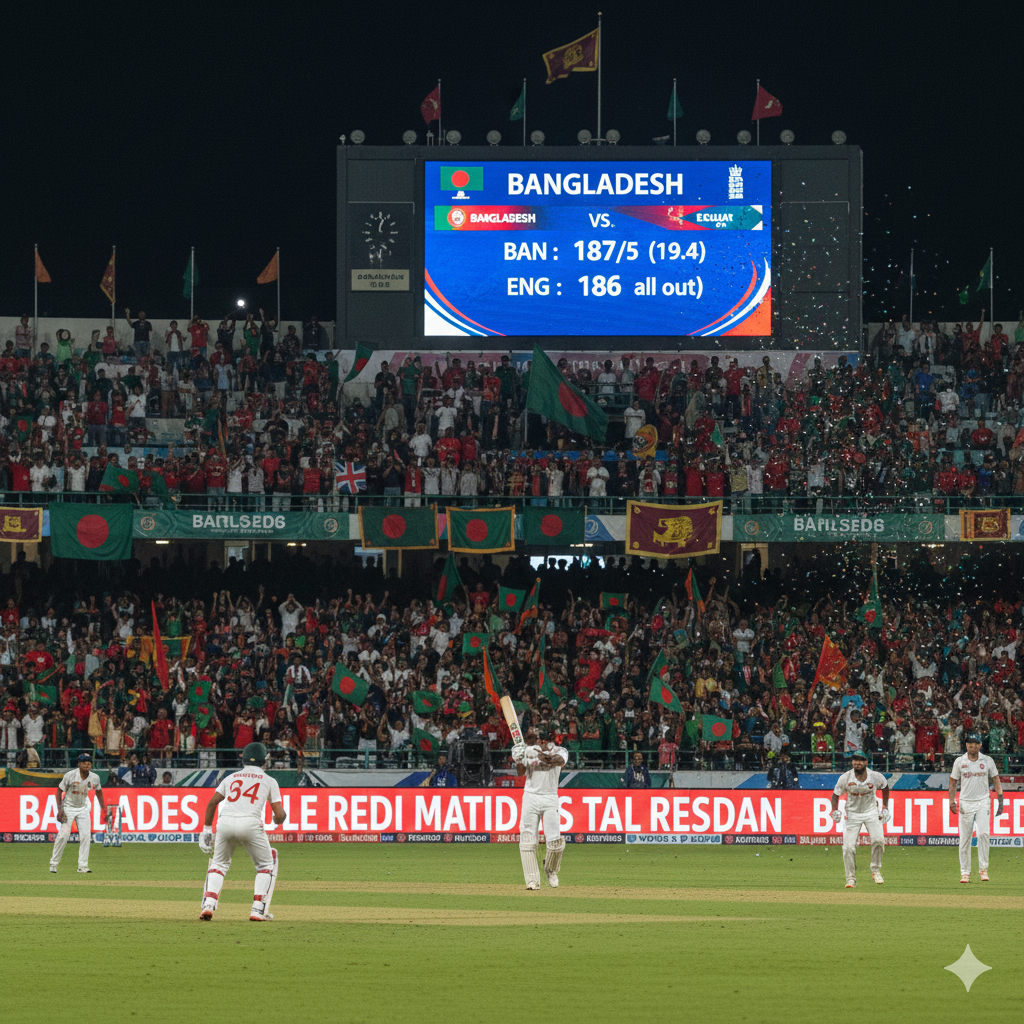
The 2026 T20 World Cup was supposed to be a celebration of Asian cricket, co-hosted by India and Sri Lanka. Instead, just weeks before the opening ceremony, the tournament has plunged into a diplomatic standoff. The Bangladesh Cricket Board (BCB) has officially requested the International Cricket Council (ICC) to move its matches from Indian soil to Sri Lanka.
What began as a contract dispute involving a star player has now evolved into a high-stakes battle over national dignity, security, and the future of the tournament.
1. The Spark: The “Mustafizur Row”
The tension reached a breaking point in early January 2026. Following the BCCI’s decision to withhold a “No Objection Certificate” (NOC) for Indian players to tour Bangladesh—citing security concerns—the situation turned personal for the BCB.
Reports emerged that Bangladeshi pace spearhead Mustafizur Rahman was pressured to exit his lucrative IPL contract with the Kolkata Knight Riders (KKR). The BCB interpreted this not as a sporting decision, but as a lack of reciprocity in safety guarantees.
“If our premier athletes cannot participate in a franchise league without facing political pressure, how can we expect our entire national squad to feel safe playing a World Cup in the same environment?” — Statement from the BCB Interim Committee.
2. The Logistical Challenge: Moving the “Kolkata Hub”
Bangladesh was originally scheduled to play its group stage matches in Kolkata, a city that shares deep linguistic and cultural ties with Dhaka. Moving these matches to Sri Lanka isn’t just a change of venue; it’s a logistical nightmare.
The Displacement Impact
- The “Kolkata Loss”: Eden Gardens was expected to be “Dhaka West,” with over 100,000 Bangladeshi fans expected to cross the border. Moving to Colombo or Kandy strips the team of its home-away-from-home advantage.
- Broadcasting Shifts: The ICC’s broadcast partners (Star Sports/Disney) have already set up infrastructure in Kolkata. A sudden shift to Sri Lanka requires moving 40+ cameras and satellite uplinks per stadium.
3. The “Hybrid Model” 2.0
The ICC is now forced to consider an expanded Hybrid Model. We saw this during the 2023 Asia Cup, where India played in Sri Lanka while the rest played in Pakistan. Now, the roles are reversed.
| Category | Impact of Relocation |
|---|---|
| Security | BCB demands a “Neutral Sovereign Guarantee” in Sri Lanka. |
| Ticketing | Massive refund processing for Indian fans who bought Kolkata tickets. |
| Players | Increased travel fatigue for Group C teams (West Indies, England) who must fly between countries. |
4. Why This Matters for the Sport
This drama highlights a growing trend in 2026: The weaponization of cricket schedules. The Asian Development Bank (ADB) and the UN have previously noted that “Cricket Diplomacy” is a vital tool for economic stability in South Asia. This fracture threatens:
- Tourism Revenue: Both India and Sri Lanka were counting on a $500M boost.
- Sponsorships: Brands targeting the Bangladeshi market (170 million people) are reconsidering their spends if the team is sidelined or plays in empty neutral stadiums.
5. What Happens Next?
The ICC Board is scheduled to meet in Dubai on January 12, 2026. Three paths lie ahead:
- The Sri Lanka Shift: The ICC grants the BCB’s request, moving Group C to Colombo.
- The Hardline: The ICC denies the request, forcing Bangladesh to either play in India or forfeit their points.
- The Neutral Venue (UAE): A wild-card entry—moving the matches to Dubai or Sharjah to avoid overstretching Sri Lankan resources.
References:
- ICC Media Release (2026): Strategic Review of T20 World Cup Host Obligations.
- The Daily Star (Jan 2026): BCB Stands Firm: Dignity over Trophies.
- Reuters Sports (2026): Geopolitical Tensions Reshape the 2026 Cricket Calendar.
- Al Jazeera (2026): Mustafizur Rahman and the New Cold War in Asian Cricket.