
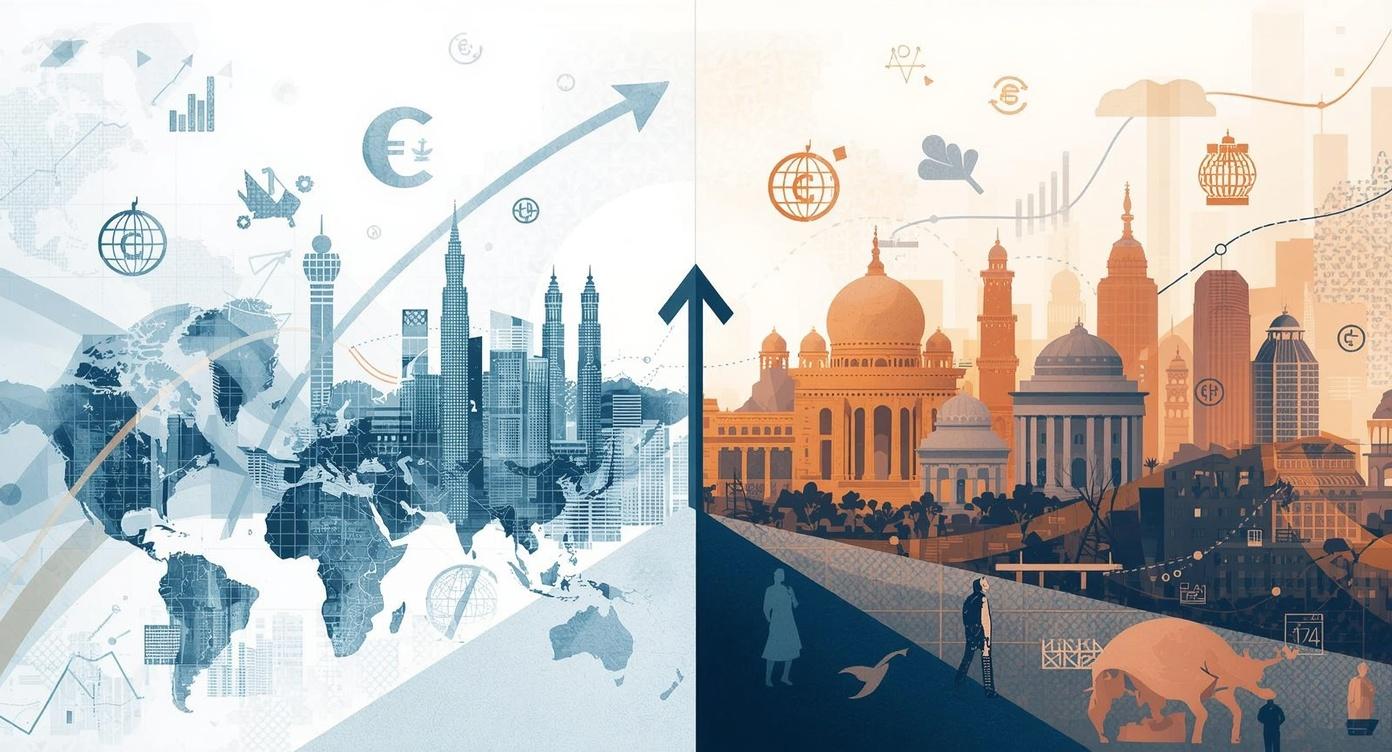
Dhaka, January 2026 — Private banks across the globe closed 2025 with a mix of triumph and turbulence. While the world’s largest institutions reported strong profits and expanded their digital offerings, they also faced mounting regulatory scrutiny and geopolitical uncertainty. In Bangladesh, the story was one of resilience: several private banks posted record earnings and deposit growth, even as liquidity shortages and rising default loans cast long shadows.
Global Private Banking: Giants Under Pressure
Private banking remains one of the most influential sectors in global finance, managing trillions in client assets and shaping investment flows across continents. In 2025, the sector’s performance reflected both resilience and vulnerability.
Goldman Sachs (USA)
Goldman Sachs, with $1.6 trillion in assets under supervision, was named the world’s best private bank in 2025 . Moody’s long-term rating of A1 underscores its strong capital adequacy. The bank expanded digital platforms and AI-driven advisory services, appealing to younger, tech-savvy investors. Yet, rising compliance costs under U.S. regulatory reforms and exposure to volatile equity markets remain challenges.
UBS (Switzerland)
UBS, the world’s largest wealth manager, oversees $4.1 trillion in assets under management (AUM) . With a Moody’s rating of Aa3, UBS strengthened its reputation in family-office services and succession planning, positioning itself as the leader in intergenerational wealth transfer. The integration of Credit Suisse, however, brought significant costs and heightened scrutiny from Swiss regulators.
BNP Paribas (France)
BNP Paribas, with €2.7 trillion in total assets, continues to dominate European private banking . Fitch rates the bank A+, reflecting stability. In 2025, BNP expanded ESG-focused investment products, aligning with EU sustainability directives.
Deutsche Bank (Germany)
Deutsche Bank, holding €1.4 trillion in assets, has a Moody’s rating of Baa1 . Its private banking revenues stabilized after years of volatility, thanks to restructuring and digital transformation. Yet legacy litigation costs and reputational risks continue to weigh on investor confidence.
LGT Private Banking (Liechtenstein)
LGT, with CHF 305 billion AUM, is privately held but recognized for strong governance and sustainability initiatives . ESG products form a growing share of its portfolio.
Lombard Odier (Switzerland)
Lombard Odier manages CHF 300 billion AUM and is consistently ranked highly for client satisfaction . Known for bespoke wealth management and sustainable strategies, it faces stiff competition from larger Swiss peers such as UBS.
Global Trends in 2025
- Digital Transformation: AI-driven advisory, blockchain-based settlement, and mobile-first platforms reshaped client services.
- Generational Wealth Transfer: Millennials and Gen Z demanded transparency and ESG integration.
- Geopolitical Risks: Conflicts in Ukraine and the Middle East disrupted capital flows.
- Regulatory Pressure: CRD VI in Europe increased compliance costs, squeezing margins.
Bangladesh’s Private Banks: Record Profits, Lingering Risks
Bangladesh’s private banking sector showed resilience in 2025, with several banks achieving historic profits despite liquidity challenges and rising default loans.
Islami Bank Bangladesh Limited (IBBL)
With Tk 1.5 trillion in assets, IBBL is the largest private bank in Bangladesh . Moody’s rates it B1, outlook negative due to sector-wide risks. In 2025, it surpassed Tk 2,000 crore in operating profit, driven by a strong deposit base and Islamic banking products.
BRAC Bank
BRAC Bank, with Tk 1.2 trillion in assets, has a Moody’s rating of B1, stable outlook . It achieved Tk 81.24B deposit growth in the first five months of 2025, reflecting strong customer trust. Known for SME financing and digital innovation, BRAC Bank’s high exposure to SME loans increases credit risk.
City Bank
City Bank, with Tk 600 billion in assets, holds a Moody’s rating of B1, stable . It crossed Tk 2,000 crore in operating profit in 2025. The bank is recognized for pioneering American Express card services in Bangladesh.
Pubali Bank
Pubali Bank, with Tk 700 billion in assets, is rated B2 by Moody’s . It surpassed Tk 2,000 crore in operating profit in 2025, with a strong presence in rural banking.
Dutch-Bangla Bank Limited (DBBL)
DBBL, with Tk 800 billion in assets, has a Moody’s rating of B1, stable . It achieved Tk 68.60B deposit growth in early 2025. DBBL is a leader in mobile banking through Rocket.
United Commercial Bank (UCB)
UCB, with Tk 500 billion in assets, is rated B2 . Deposits grew Tk 53.26B in early 2025. Liquidity management amid rising loan defaults remains a challenge.
IFIC Bank
IFIC Bank, with Tk 400 billion in assets, is rated B2 . Deposits grew Tk 27.12B in early 2025. Its smaller scale compared to top-tier banks limits competitiveness.
Comparative Snapshot
| Aspect | Global Private Banks | Bangladesh Private Banks |
|---|---|---|
| Profitability | Strong but pressured | Record profits (Tk 2,000 crore+) |
| Assets | Trillions (UBS $4.1T, Goldman $1.6T) | Hundreds of billions in Tk |
| Ratings | Mostly A-range (Moody’s/Fitch) | B-range, reflecting systemic risks |
| Digital Transformation | Advanced AI, cross-border services | Rapid mobile banking adoption |
| Sustainability | ESG-focused investments | Limited ESG integration |
| Challenges | Geopolitical, regulatory | Default loans, liquidity |
| Strengths | Diversified portfolios | Strong local trust, SME support |
Conclusion
Private banks worldwide are reinventing themselves through digital innovation and sustainability, while Bangladesh’s sector is proving resilient with record profits and deposit growth. Global giants like UBS and Goldman Sachs face regulatory and geopolitical headwinds, whereas Bangladesh’s banks must confront default loans and liquidity risks.
The broader lesson is clear: private banking is at a crossroads. Success will depend not only on profitability but on the ability to adapt to a world where trust, technology, and transparency are paramount.
References
- Moody’s Investors Service. Global Bank Ratings 2025.
- Fitch Ratings. BNP Paribas Credit Rating Report, 2025.
- Global Private Banker. World’s Best Private Banks 2025 Rankings.
- Bangladesh Bank. Annual Banking Sector Review 2025.
- Credit Rating Agency of Bangladesh (CRAB). Private Bank Ratings and Performance, 2025.